pharmaceutical machineries, packing materials and
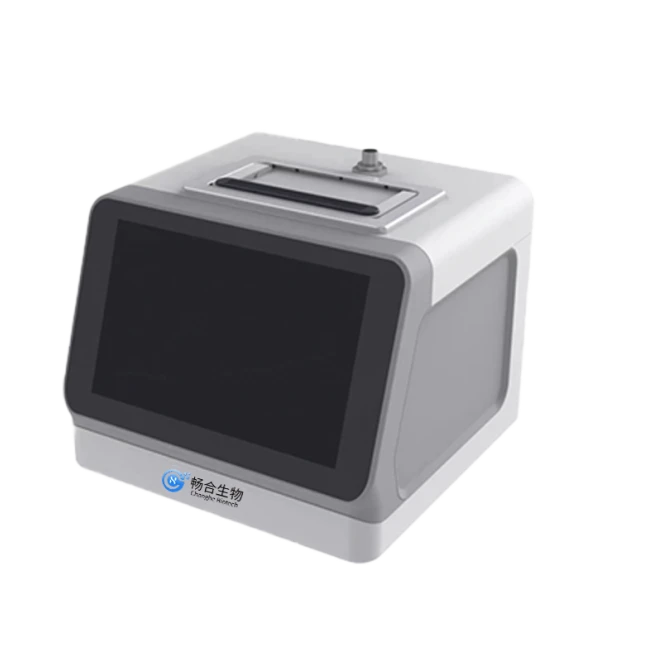

schwarzer bakteriendetektor
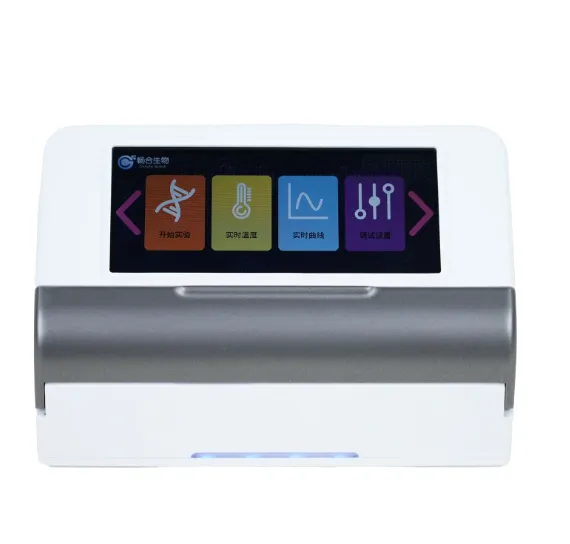
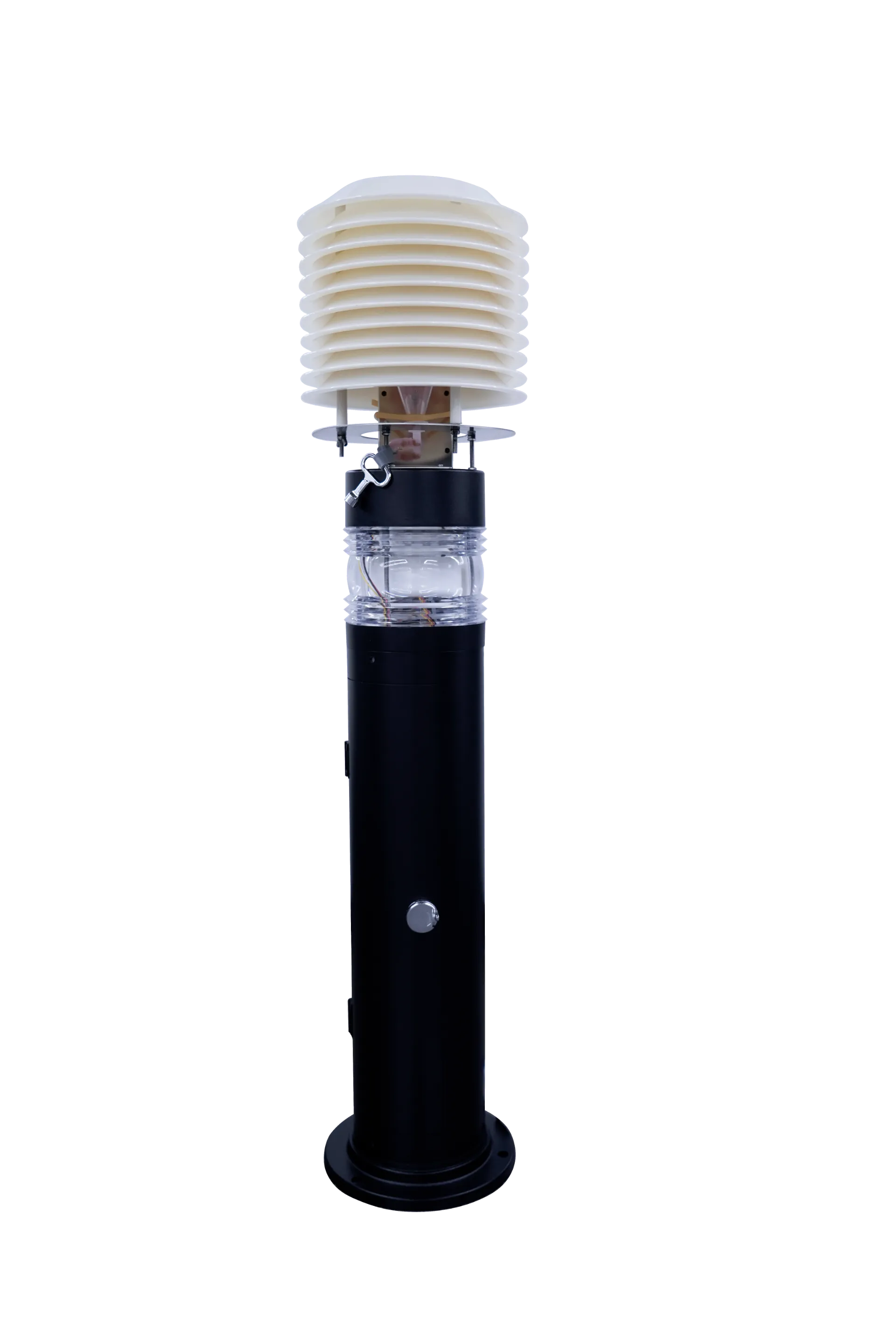
In critical environments ranging from pharmaceutical manufacturing to public health monitoring, the precise and reliable detection of airborne microorganisms is paramount. This necessitates the deployment of advanced instrumentation, central among which is the bioaerosol sampler . This sophisticated device is engineered to capture and analyze airborne biological particles, providing invaluable data for contamination control, epidemiological studies, and environmental safety assessments. Understanding its intricate design, manufacturing precision, and diverse applications is crucial for B2B decision-makers seeking robust solutions in bioaerosol monitoring. Manufacturing Process Flow for Advanced Bioaerosol Samplers The production of a high-performance bioaerosol sampler involves a meticulous multi-stage process, ensuring precision, reliability, and adherence to stringent quality standards. Every component, from the housing to the impaction plate, is manufactured with careful consideration for material science and engineering excellence. Key Manufacturing Stages: Material Sourcing and Selection: Utilizes medical-grade stainless steel (e.g., 316L for critical contact parts) for corrosion resistance and ease of sterilization, and high-impact polymers for non-contact components requiring durability and lightweight properties. Filters and collection media are sourced from certified suppliers, meeting requirements for particle retention and biological compatibility. Precision Component Manufacturing: CNC Machining: Critical components like impaction heads, air inlets, and nozzle arrays are precisely crafted using multi-axis CNC machining. This ensures micron-level tolerances essential for accurate volumetric flow rates and optimized particle impaction efficiency. Molding/Casting: Housings and structural elements may undergo high-pressure injection molding or precision casting, followed by deburring and surface finishing to ensure smooth, cleanable surfaces. Surface Treatment: Electropolishing for stainless steel components enhances corrosion resistance and reduces microbial adhesion, crucial for applications in sterile environments. Electronics Integration: Development and assembly of control boards, sensors (flow rate, pressure, temperature), and user interfaces. This includes soldering, programming, and calibration of microprocessors to ensure precise control over sampling parameters. Assembly & Calibration: Components are assembled in a cleanroom environment (typically ISO Class 7 or higher) to prevent contamination. Critical steps include sealing, vacuum testing, and flow rate calibration using NIST-traceable standards. Each bioaerosol sampler undergoes individual calibration to ensure accuracy. Quality Control and Testing: Functional Testing: Verifies all operational modes, user interface responsiveness, and data logging capabilities. Performance Validation: Includes tests for collection efficiency (e.g., D50 cut-off), flow rate accuracy, and viability preservation, often against industry benchmarks and standards such as ISO 14698 (Cleanrooms and associated controlled environments - Biocontamination control). Environmental Testing: For durability, temperature stability, and electromagnetic compatibility (EMC) in line with CE and FCC directives. Packaging and Sterilization (if applicable): Products intended for sterile applications undergo gamma irradiation or ethylene oxide (EtO) sterilization, packaged in validated cleanroom packaging. Target Industries and Advantages: Our biological samplers are integral to industries where airborne biological contamination poses significant risks: Pharmaceutical & Biotech: Essential for monitoring cleanrooms (ISO Class 5-8), isolators, and RABS (Restricted Access Barrier Systems) to ensure product sterility and patient safety. Advantages include high collection efficiency for viable particles and minimal stress to microorganisms. Healthcare & Hospitals: Used in operating theaters, intensive care units, and infectious disease wards for air quality assessment and infection control. Their robust design offers long service life (typically 5-10 years with proper maintenance). Food & Beverage: Critical for hygiene monitoring in processing areas to prevent spoilage and ensure consumer safety. Benefits include energy saving operation and low maintenance requirements. Environmental Monitoring: For outdoor air quality studies, allergen monitoring, and bio-warfare agent detection. The inherent corrosion resistance of materials ensures reliable operation in diverse atmospheric conditions. Research & Academia: Provides reliable data for microbiological studies and aerosol science. "Our rigorous manufacturing protocols, including adherence to ISO 9001 quality management systems and detailed process validation, ensure every biological sampler we produce delivers unparalleled accuracy and durability, meeting the exacting demands of our global clientele." Industry Trends and the Evolution of Biological Sampling The landscape of bioaerosol monitoring is continuously evolving, driven by advancements in microbial detection technologies, increasingly stringent regulatory frameworks, and a heightened global awareness of airborne pathogen transmission. Key trends include the shift towards real-time monitoring, enhanced automation, and the development of portable, user-friendly devices. Key Trends Shaping Bioaerosol Sampler Technology: Real-time & Automated Monitoring: Demand for instant data on biological contamination is growing, moving beyond traditional culture-based methods that require incubation. This involves integration of optical detection, immunoassay, or PCR-based systems for rapid identification. Miniaturization and Portability: There's a strong drive for smaller, lighter, and battery-operated biological samplers , enabling greater flexibility for field applications, personal exposure monitoring, and remote site assessment. Enhanced Data Connectivity and Analytics: Integration with IoT platforms, cloud computing, and advanced analytics allows for centralized monitoring, trend analysis, and predictive maintenance. This facilitates comprehensive environmental control strategies. Increased Specificity and Sensitivity: Research focuses on developing samplers capable of distinguishing between viable and non-viable particles and identifying specific pathogens with higher sensitivity, even at low concentrations. Regulatory Harmonization: Global standards, such as those from ISO and USP, continue to evolve, pushing manufacturers to ensure their bacteria sampler products comply with the latest guidelines for cleanroom monitoring and pharmaceutical manufacturing. These trends highlight the critical role of innovation in developing the next generation of bioaerosol monitoring solutions that are more efficient, accurate, and integrated into complex control systems. Technical Specifications and Parameters The efficacy of a bioaerosol sampler is defined by its technical specifications, which dictate its performance, applicability, and data reliability. Critical parameters ensure accurate capture and preservation of biological particles. Key Specifications of a High-Performance Bioaerosol Sampler: Parameter Description Typical Value/Range Flow Rate Accuracy Precision of air volume drawn through the sampler per unit time. Critical for quantitative analysis. ±2.5% of set value Collection Efficiency (D50) The aerodynamic diameter at which 50% of particles are collected. Indicates the smallest particle size effectively captured. 0.8 – 1.0 µm Volumetric Flow Rate Adjustable rate at which air is sampled, allowing for varied sampling periods and environments. 25, 50, 100 L/min (user selectable) Sampling Head Type Impaction (e.g., Andersen N-6 type) or Filtration. Influences viability and collection surface. Multi-jet impaction, single-stage Sampling Duration Programmable time for continuous or intermittent sampling. 1 min to 24 hours (programmable) Materials of Construction Ensures durability, resistance to sterilization, and prevention of particle shedding. 316L Stainless Steel, Medical-grade ABS Battery Life Operational time on internal battery, crucial for portable applications. >8 hours continuous operation Data Logging Internal memory for storing sampling events, flow rates, and environmental conditions. >10,000 sampling records, USB export These parameters ensure that our biological samplers meet the rigorous demands of regulated environments, providing accurate and reproducible results for critical decision-making. Technical Advantages and Performance Excellence Our commitment to engineering excellence translates into significant technical advantages for users of our biological samplers , setting new benchmarks in reliability and operational efficiency. Distinguishing Advantages: High Viability Collection: Engineered impaction mechanisms minimize stress on microorganisms, ensuring high recovery rates of viable particles. This is crucial for accurate CFU (Colony Forming Unit) counts and downstream identification. Precise Volumetric Flow Control: Equipped with advanced mass flow controllers, our samplers maintain constant and accurate airflow rates, compensating for environmental variations (temperature, pressure) and filter loading, thus guaranteeing consistent and comparable results. Robust & Sterilizable Design: Components made from 316L stainless steel are autoclavable and resistant to common disinfectants, simplifying sterilization protocols and reducing the risk of cross-contamination in critical environments. Intuitive User Interface & Data Management: Featuring large, color touchscreens and user-friendly software for easy programming, real-time monitoring, and comprehensive data logging with secure export options (e.g., USB, Ethernet). Supports audit trail requirements for GxP compliance. Extended Battery Life & Portability: High-capacity Li-ion batteries provide extended operation for mobile and remote sampling, while compact, lightweight designs enhance portability without compromising performance. Low Noise Operation: Optimized fan and motor designs ensure quiet operation, making them suitable for continuous monitoring in occupied cleanrooms and laboratories without causing disturbance. Compliance with Industry Standards: Designed and tested to meet or exceed international standards such as ISO 14698 and USP <1116> for pharmaceutical cleanroom monitoring, providing authoritative assurance of performance. These advantages empower our clients to achieve superior control over their environmental monitoring programs, ensuring product integrity and operational safety. Application Scenarios and Case Studies The versatility of our bacteria sampler extends across a multitude of critical applications, demonstrating its indispensable role in maintaining controlled environments and ensuring public health. Typical Application Scenarios: Pharmaceutical Cleanroom Monitoring: Routine and continuous monitoring in ISO Class 5-8 areas for sterile product manufacturing, ensuring compliance with cGMP regulations and preventing microbial contamination of injectables, vaccines, and biologics. Aseptic Processing Environments: Used within Restricted Access Barrier Systems (RABS) and isolators to verify the integrity of aseptic conditions during critical filling and finishing operations. Hospital Operating Theaters & ICUs: Assessment of airborne microbial load to minimize Hospital-Acquired Infections (HAIs) and maintain hygienic conditions for patient safety. Food & Beverage Production: Monitoring air quality in processing zones (e.g., dairies, breweries, ready-to-eat meal facilities) to control spoilage organisms and pathogens, extending shelf life and ensuring food safety. Environmental Health & Safety: For public health investigations, indoor air quality assessments in schools or offices, and monitoring during outbreaks of airborne diseases. Cosmetics Manufacturing: Ensuring low microbial counts in production areas to prevent product degradation and maintain consumer safety standards. Application Case Studies: Case Study 1: Pharmaceutical Aseptic Filling Line A leading pharmaceutical manufacturer required continuous environmental monitoring for a new aseptic filling line (ISO Class 5). Our integrated bioaerosol sampler system was deployed at multiple critical control points, including directly above the open product containers. The system's precise flow control and high viability collection ensured accurate enumeration of viable particles. Data logging capabilities facilitated automated report generation for FDA audits, reducing manual effort by 40% and ensuring full compliance with USP <1116> guidelines. The robust 316L stainless steel design allowed for frequent VHP (Vaporized Hydrogen Peroxide) decontamination without degradation, crucial for maintaining sterility. Case Study 2: Municipal Water Treatment Plant Upgrade During an upgrade of a municipal water treatment facility, concerns arose regarding airborne bacteria and mold spores in ventilation systems and chemical dosing areas. Portable biological samplers were utilized for baseline assessments and post-remediation verification. Their extended battery life and ease of deployment allowed technicians to rapidly survey multiple zones over large areas. The data collected informed the design of improved HVAC filtration systems, leading to a measured 60% reduction in airborne microbial counts and enhanced worker safety, particularly against opportunistic pathogens like Legionella from aerosolized water. The sampler's corrosion resistance was vital given the humid and chemically rich environment. Vendor Comparison and Competitive Analysis Selecting the optimal bioaerosol sampler requires a thorough comparison of available solutions. Our products stand out by combining cutting-edge technology with unparalleled support and customization options. Comparative Analysis Table: Bioaerosol Sampler Features Feature/Parameter Our Bioaerosol Sampler Competitor A (e.g., Andersen) Competitor B (e.g., SAS) Viability Recovery Rate >90% (for common bacteria/fungi) ~85-90% ~80-88% Flow Rate Accuracy ±2.5% (mass flow controlled) ±5% (volume flow) ±3% (calibrated) Materials (Contact Parts) 316L Stainless Steel Anodized Aluminum/304 SS 304 SS/Plastic Data Logging & Export >10,000 records, USB/Ethernet, Audit Trail Limited internal, USB export Internal only, proprietary software Sterilization Compatibility Autoclavable, VHP-compatible Autoclavable (some parts) Disinfectant wipe only Battery Life (Continuous) >8 hours ~6 hours ~7 hours Compliance ISO 14698, USP <1116>, GxP, CE ISO 14698, CE ISO 14698 Service & Support Global network, 24/7, Calibration services Regional, business hours Limited, local distributors This comparison highlights our competitive edge, particularly in data integrity, material quality, and comprehensive compliance, which are non-negotiable for critical B2B applications. Customized Solutions Recognizing that unique operational challenges require tailored approaches, we offer comprehensive customization options for our bioaerosol samplers . Flow Rate & Impaction Head Modifications: Custom nozzle designs or multi-stage impaction heads for specific particle size cut-offs (e.g., targeting smaller viral aerosols or larger fungal spores). Integrated Monitoring Systems: Development of centralized systems that integrate multiple biological samplers with particle counters, temperature/humidity sensors, and differential pressure gauges for a holistic environmental overview. Software & Data Integration: Bespoke software development for seamless integration with existing SCADA, LIMS, or facility monitoring systems, including customized reporting and alarming protocols. Material & Enclosure Customization: Special materials for extreme environments (e.g., highly corrosive atmospheres) or explosion-proof enclosures for hazardous areas (ATEX compliant). Mounting and Deployment Solutions: Custom stands, remote sampling probes, or integration kits for deployment in isolators, ducting, or other confined spaces. Our team of expert engineers collaborates closely with clients to design and implement solutions that precisely meet their unique requirements, ensuring optimal performance and compliance. Commitment to Trustworthiness: FAQ, Lead Time, Warranty & Support Frequently Asked Questions (FAQ): Q: How often should the bioaerosol sampler be calibrated? A: We recommend annual calibration by certified technicians, or more frequently if required by specific regulatory guidelines or intensive usage. Our calibration services are NIST-traceable. Q: Are your samplers compatible with different agar plate sizes? A: Our standard models are designed for 90mm Petri dishes. Customized adaptors for other sizes (e.g., 60mm) are available upon request to maintain flexibility. Q: What kind of training is provided for new users? A: We offer comprehensive on-site or virtual training programs covering operation, maintenance, and troubleshooting, tailored to your team's needs. User manuals and technical guides are also provided. Q: Can the samplers operate in hazardous (e.g., explosive) environments? A: Standard models are not rated for explosive environments. We offer specialized, ATEX-certified enclosures and intrinsically safe versions of our biological samplers for such applications. Please contact our sales team for details. Lead Time & Fulfillment: Standard models of our bacteria sampler typically have a lead time of 4-6 weeks from order confirmation. Customized solutions may require 8-12 weeks, depending on the complexity of modifications and component sourcing. We maintain a robust supply chain to ensure timely delivery and offer expedited shipping options for urgent requirements. Warranty Commitments: All our bioaerosol samplers come with a standard 2-year manufacturer's warranty covering defects in materials and workmanship. Extended warranty options and comprehensive service contracts are available for enhanced peace of mind, ensuring long-term operational integrity and minimizing downtime. Customer Support & After-Sales Service: Our dedicated customer support team is available 24/7 to address any technical inquiries or operational challenges. We provide global field service, offering on-site maintenance, calibration, and repair services. Additionally, remote diagnostics and software support are available to ensure your bioaerosol sampler operates at peak performance throughout its lifecycle. Conclusion The advanced capabilities of our bioaerosol samplers represent a critical investment for industries where environmental biocontamination control is paramount. By combining precision engineering, adherence to global standards, and comprehensive customer support, we deliver solutions that ensure operational integrity, regulatory compliance, and ultimately, public safety. References International Organization for Standardization. (2018). ISO 14698-1:2003 Cleanrooms and associated controlled environments - Biocontamination control - Part 1: General principles and methods. Available from: iso.org United States Pharmacopeia. (2020). USP <1116> Microbiological Control and Monitoring of Aseptic Processing Environments. Available from: usp.org Wang, Z., Huang, C., & Zhang, Y. (2021). Advances in Bioaerosol Sampling and Detection Techniques. Environmental Science & Technology. Centers for Disease Control and Prevention. (2023). Guidelines for Environmental Infection Control in Healthcare Facilities. Available from: cdc.gov
Our newsletters, the latest information about our products, news and special offers.
Click for manual-
 personnel
The company introduces a large number of talents, researches projects and is responsible for customers
-
Research
Professional research project team for different customer needs
-
technology
New technology transformation mode,research high quality products


The application prospect of bioaerosol sampler will further grow.